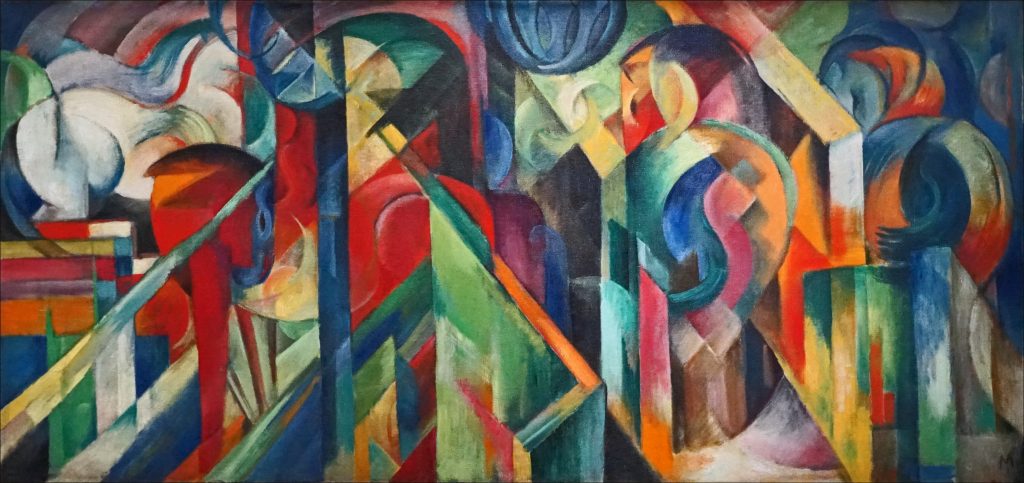
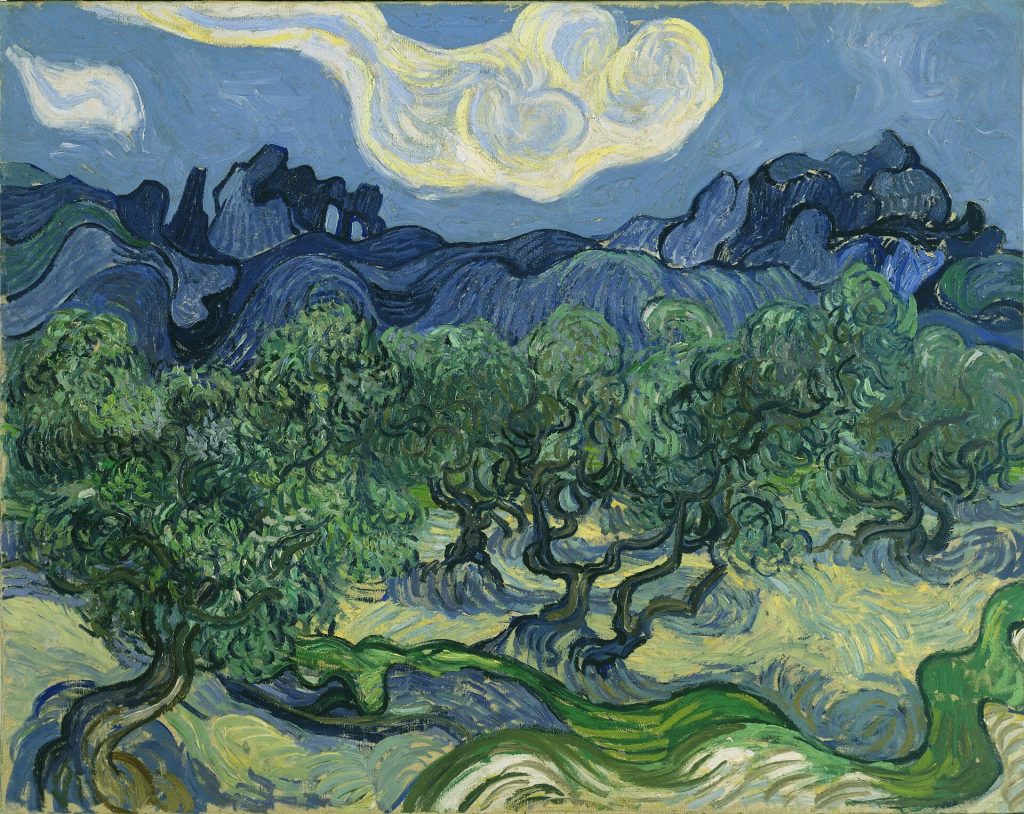
Dionis developed a painting style that was both rooted in tradition and remarkably singular. His work bears traces of the Post-Impressionist masters – the confident colour of the Fauves and Der Blaue Reiter, the sweeping brushwork that recalls Sorolla’s Mediterranean light, and in his treatment of pine trees, something of Van Gogh’s expressive energy with olive groves. Yet through the alchemy of his time, place, and vision, these influences merged into something uniquely his own.
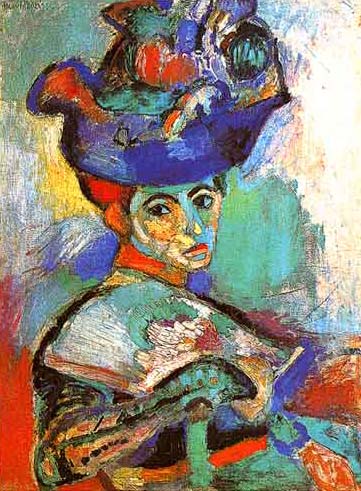
What truly set Dionis apart was his extraordinary ability to perceive colour variations, combined with the confidence to translate them to canvas. Many visiting artists – often more established figures on the international scene from France, Germany, Italy and beyond – took inspiration from his capacity to isolate subtle hues and tonal harmonies within the Mediterranean landscape that may have otherwise remained invisible to their eyes.
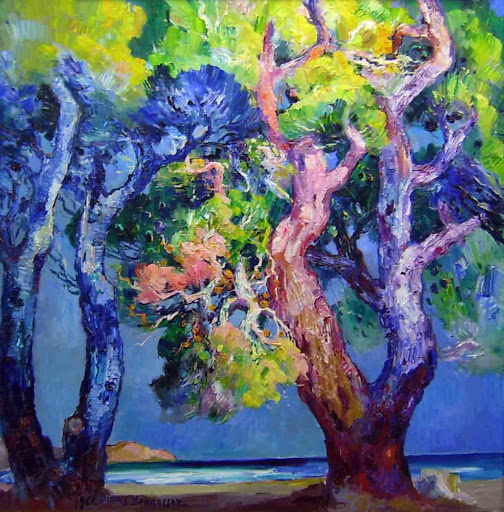
Puerto Pollensa – 1961 – Dionís Bennássar
Modern science suggests why Dionis possessed this remarkable visual sensitivity. Research shows that our colour perception is shaped by our “visual diet” – the environments we inhabit throughout our lives. The complex colour relationships found in natural environments allow humans to develop more acute visual perception of color discrimination compared to those living in the more limited palette of urban environments, dominated by artificial structures.
As a native son of this luminous corner of Mallorca, Dionis had spent a lifetime absorbing the infinite variations of Mediterranean light — the way it shifts from dawn to dusk, how it plays across water and stone, the subtle colour temperatures that change with the seasons and weather.
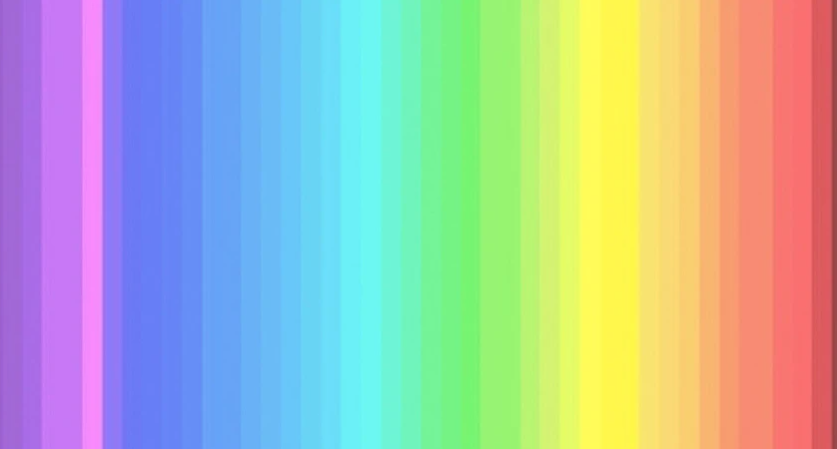
How Many Colours Can You See?
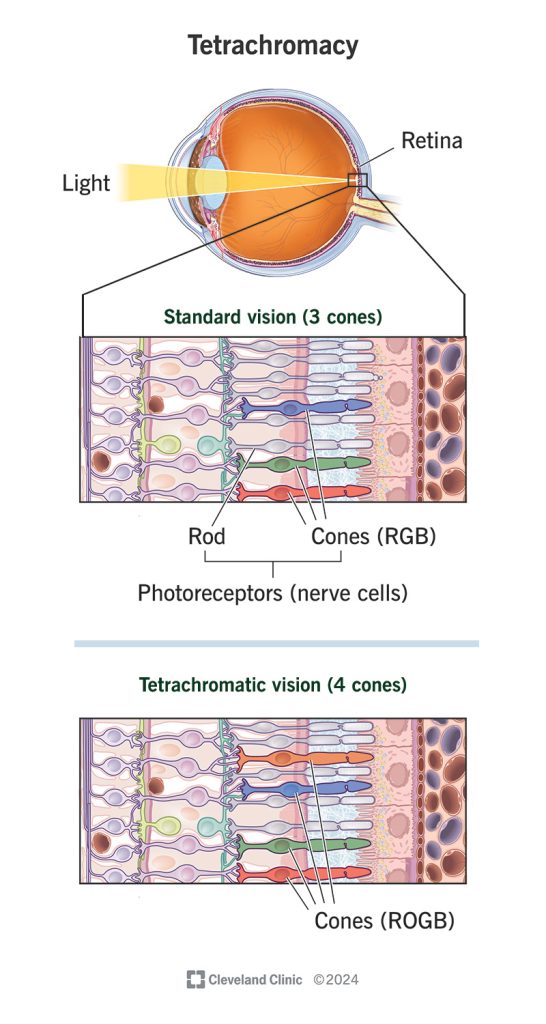
When you look at a tree, or the sky, how many colours can you actually perceive? Most humans can distinguish roughly one million different colour variations – already an extraordinary feat of biological engineering. But some people, particularly women, possess a genetic variation called tetrachromacy that allows them to see up to 100 million different colours. This rare condition, found in approximately 12% of women, adds a fourth type of colour receptor to the eye, revealing subtle distinctions that remain completely invisible to the rest of us.